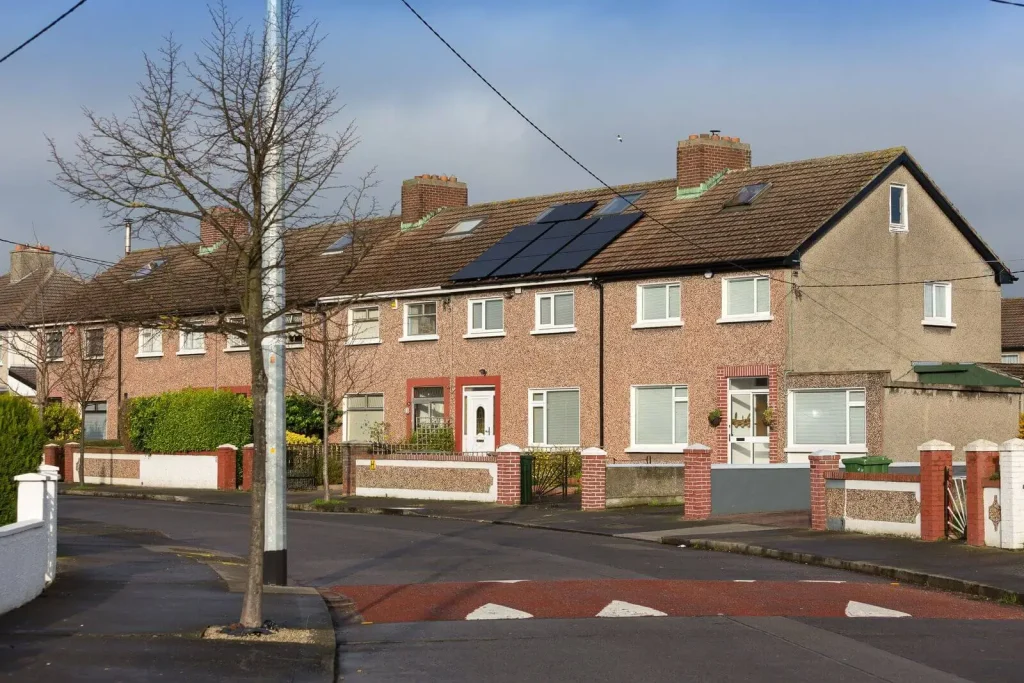

We know how confusing it can be when you start exploring solar options for your home and realise there’s much more to it than just choosing panels. One of the first questions that comes to mind is, “what size solar inverter do I need?” This decision may seem small, but it’s one of the most important parts of your solar journey.
Your inverter is the heart of your solar system. It determines how efficiently your panels convert sunlight into usable power for your home. Choosing the wrong inverter size can mean lost energy, reduced performance, or higher long-term costs. That is why understanding the correct sizing upfront is key to getting the best value from your investment.
In Ireland, where sunlight patterns and roof conditions can vary, picking the right inverter is essential for maximum efficiency. In this blog, we’ll explore how solar inverter sizing works, explore the factors that influence the right option for your home in Ireland.
What Does a Solar Inverter Do?
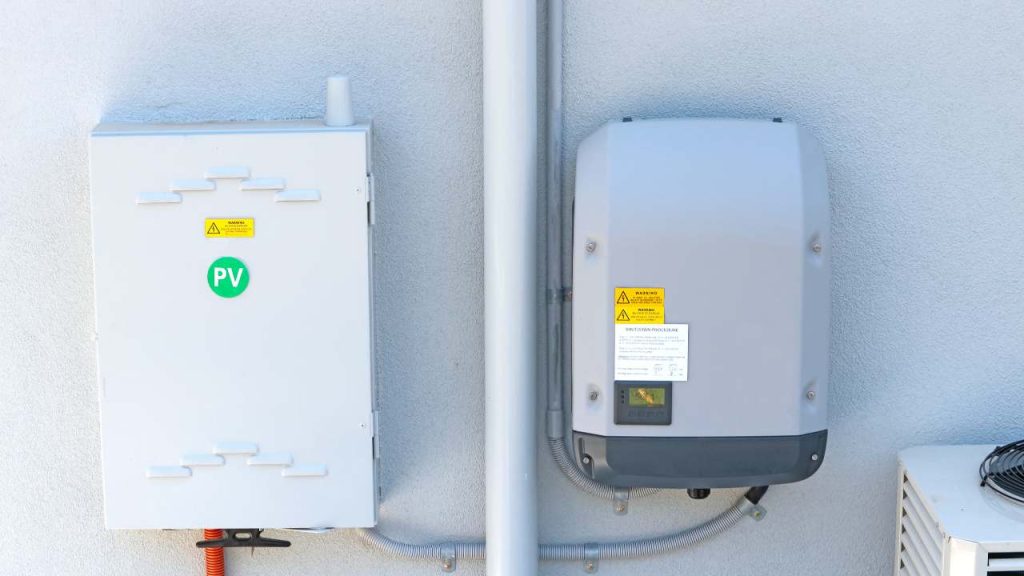
A solar inverter is the key component that transforms the electricity your panels generate into power you can actually use. Its main job is to convert the Direct Current (DC) electricity produced by your solar panels into Alternating Current (AC) electricity, which is the type of power used by homes and the national grid.
Without this conversion, your solar energy cannot be used to power appliances or be exported to the grid. In addition to converting energy, the inverter works as the brain of your solar setup. It regulates the flow of electricity, ensuring your panels perform safely and efficiently without overloading your system.
Most modern inverters also include built-in monitoring features that let you view your energy generation in real time and control connected devices, such as solar batteries, giving you better insight into your home’s solar performance.
How to Know What Size Solar Inverter Do I Need?
Selecting the correct inverter size is one of the most important steps in designing an efficient and cost-effective solar system. The right inverter will balance your solar panel capacity with your household energy needs while allowing room for future growth and seasonal performance changes.
Below are the key factors that help determine the perfect inverter size for your home.
1. Solar Power Input Requirements
Your solar inverter must be compatible with the total power output of your panels, measured in kilowatts (kW) of Direct Current (DC). Ideally, the inverter’s rated capacity should be slightly lower than or equal to the total DC capacity of your panels to achieve the best performance.
This balance ensures your inverter runs efficiently without limiting the energy your panels can produce. Always check the manufacturer’s recommended input limits before finalising your choice.
2. Meeting Your Home Power Demand
Understanding your household’s daily electricity usage is key to selecting the right inverter size. Consider your energy consumption during peak hours and how much of that load your solar system will cover.
If you plan to store surplus power in batteries or export it to the grid, make sure your inverter can handle both the immediate household load and energy flow management without being oversized, which can reduce system efficiency.
3. Allowing for Seasonal Variations
Solar energy production naturally fluctuates with the seasons. You will get more power during long summer days and less in the winter months. Choosing an inverter that operates efficiently across this range is essential.
A slightly smaller inverter compared to your summer peak generation can still capture the majority of your annual output while working more effectively throughout the year, especially during cooler or cloudier periods.
4. Planning for Future Expansion
Your energy needs today may not be the same in a few years. If you expect to add more panels, battery storage, or even electric vehicle charging, it’s smart to invest in an inverter that offers flexibility.
Hybrid or higher-capacity inverters give you room to grow without requiring a complete system replacement. This forward-thinking approach ensures your investment remains adaptable as your home’s energy requirements change over time.
What Factors Should You Consider When Choosing an Inverter Size?
Choosing the right inverter size involves more than just aligning it with your solar panel capacity. Understanding these elements will help you make a smarter, long-term decision for your solar investment.
1. System Efficiency
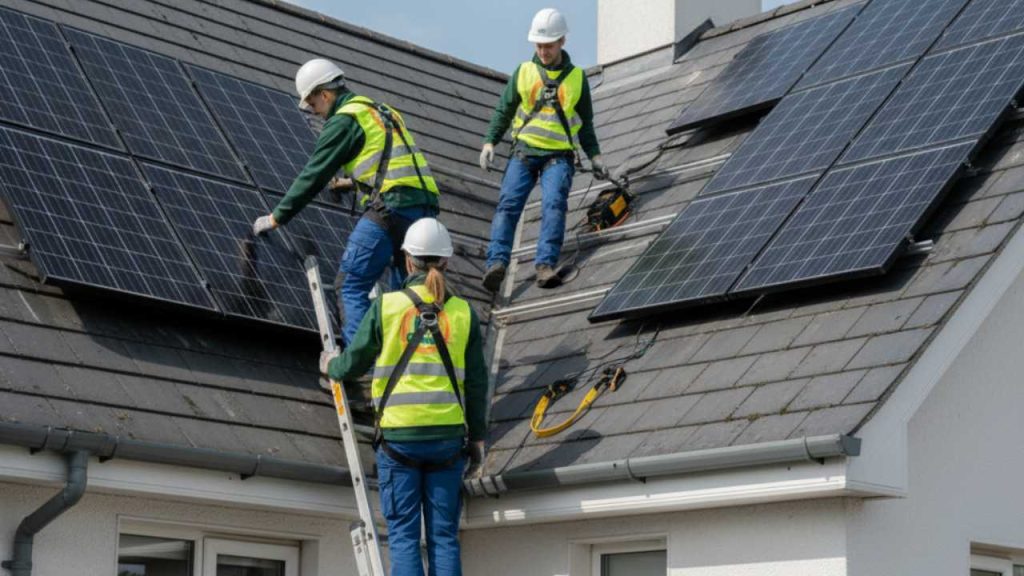
The efficiency of your inverter determines how effectively it converts the DC energy from your panels into usable AC electricity. A high-efficiency inverter ensures that more of your generated power is utilised instead of being lost during conversion.
Look for models that have an efficiency rating above 95%, as they perform more reliably in Ireland’s varied weather conditions.
2. Adding More Solar Panels
If you expect to expand your solar setup in the future, it’s wise to plan ahead. Choose an inverter that can handle extra capacity or consider a hybrid model that supports additional panels or battery storage.
By doing this, you avoid the need to replace the inverter later, saving on installation costs and ensuring your system can adapt as your household’s power needs grow.
3. Power Loss
Every inverter experiences a certain level of energy loss during operation, but the degree varies depending on its quality and design. Choosing an inverter that’s slightly larger than your current requirement can help manage high-output periods efficiently.
Additionally, selecting a reliable, high-performance brand reduces power losses and ensures consistent energy conversion across different weather conditions, helping maintain overall system stability.
4. Budget and Long-Term Value
While it might seem appealing to go for the lowest-cost option, the cheapest inverter is rarely the most cost-effective in the long run. Lower-quality models may lose more energy, require more maintenance, or have shorter warranties.
Investing in a well-rated, efficient inverter might involve a higher upfront cost, but it ensures stronger performance, greater reliability, and better savings throughout your system’s lifespan.
Conclusion
Choosing the right solar inverter size is vital to maximising your solar system’s performance, efficiency, and return on investment. Throughout this guide, we explored how inverter sizing depends on factors such as your solar array capacity, household energy needs, system efficiency, and future expansion plans. By understanding these key points, you can confidently decide on the inverter that best suits your home, ensuring consistent performance and long-term energy savings.
Our experts will assess your energy requirements, recommend the ideal inverter size, and install a high-quality system designed for reliability and maximum output. Reach out to PV Green now and start your journey toward clean, cost-effective solar power.
 Can I use a larger inverter than my solar panel capacity?