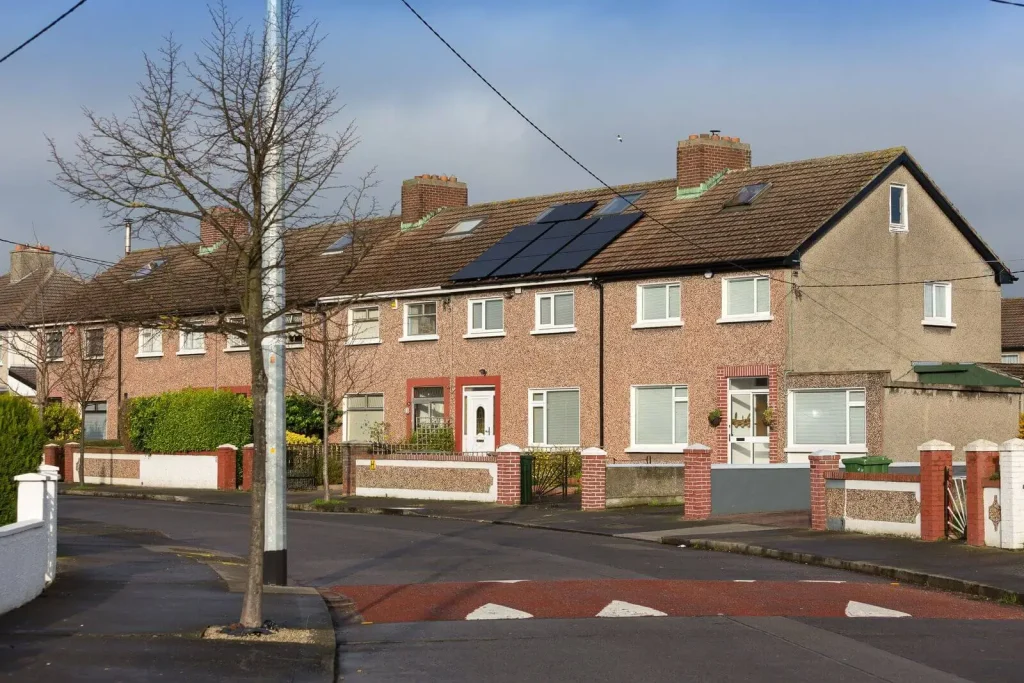

Switching to solar often comes with big questions, especially when the focus turns to savings. Rising electricity bills push many homeowners to explore solar PV, but understanding the real financial return can feel confusing. Promises of major savings sound appealing, but the actual outcome depends on practical factors that shape long-term value.
Solar panels are a significant home investment, and knowing how costs, grants, and energy usage affect savings helps avoid unrealistic expectations. In Ireland, weather conditions, system design, and daily electricity habits all influence how much power a system can generate and how much money can be saved over time.
In this blog, we’ll explore what savings can really be expected from solar in Ireland, covering installation costs, annual bill reductions, export payments, and long-term value.
Let’s start!
What Are The Real Costs and Savings of Solar in Ireland?
Solar panel installation costs in Ireland typically range between €6,000 and €10,000, depending on system size and household electricity use. Support from the Sustainable Energy Authority of Ireland (SEAI) can reduce this cost, with grants currently available of up to €1,800 for eligible homes, subject to scheme rules.
Once this grant is applied, many homeowners see a net installation cost of around €5,000 to €8,000. From there, savings begin through lower electricity bills and reduced reliance on grid power. While returns vary by usage and system design, savings start as soon as the system is active.
How Much Can You Save With Solar in Ireland?
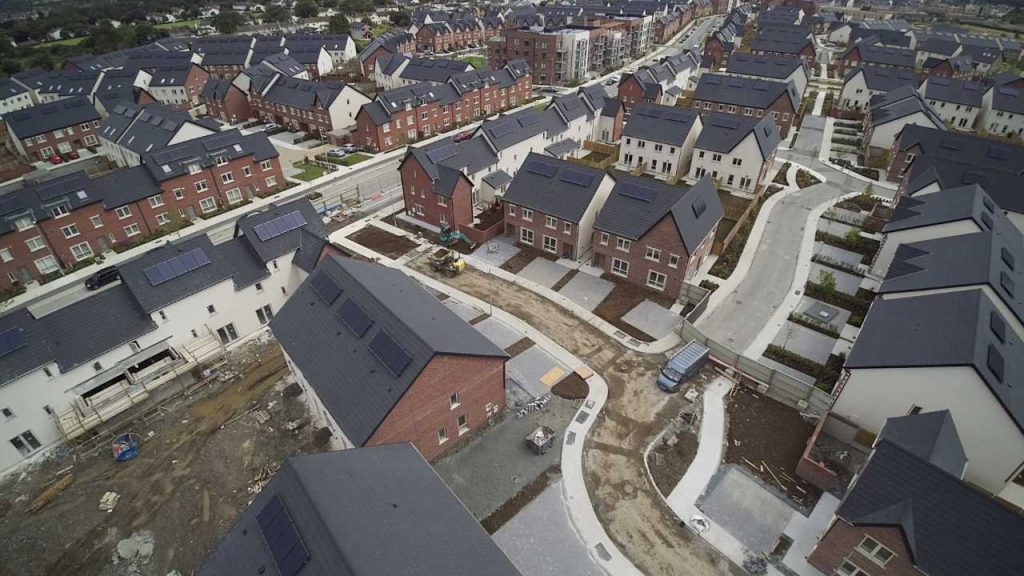
For most Irish homes, solar PV can reduce annual electricity bills by €600 to €1,200, depending on usage patterns and system size.
Understanding what influences these savings helps set realistic expectations and improve overall returns.
1. System Size
The size of a solar PV system has a direct impact on how much electricity it can generate. Larger systems generally produce more energy throughout the year.
This can increase potential savings, especially in homes with higher demand. However, systems should be sized carefully to avoid wasted generation.
2. Household Energy Use
Homes that use more electricity during daytime hours tend to benefit most from solar. Using appliances while panels are producing power reduces the need to buy electricity from the grid.
This improves self-consumption rates. Higher self-use leads to better savings.
3. Orientation and Roof Space
Roof direction and available surface area affect solar output. South-facing roofs usually achieve the highest generation levels.
East and west-facing roofs can still perform well with the right design. Shade and roof obstructions should also be considered.
4. Smart Energy Usage
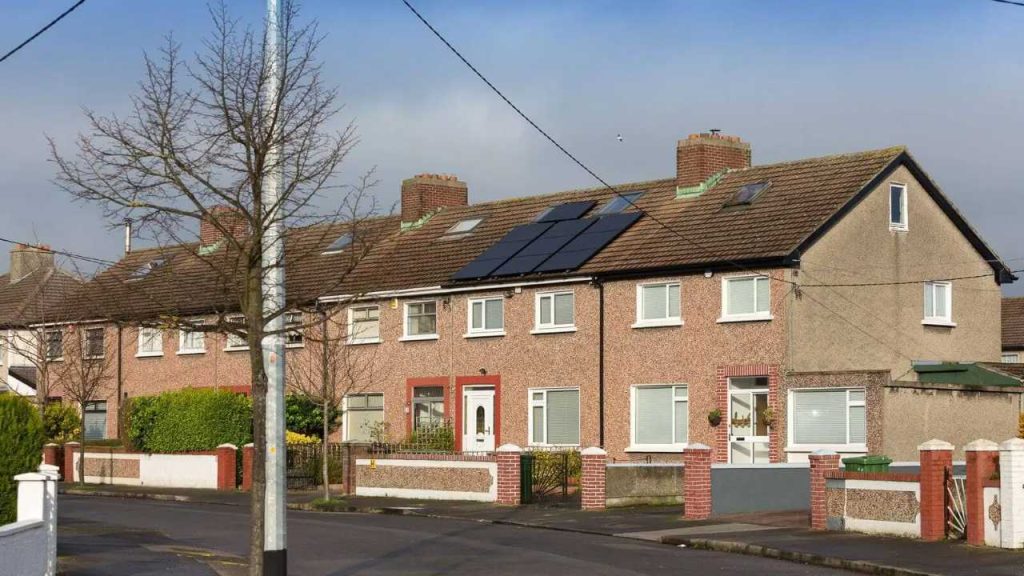
Shifting energy use to daylight hours helps maximise solar benefits. Running appliances such as washing machines or dishwashers during sunny periods increases self-consumption.
This reduces reliance on exported electricity. Smart habits improve long-term savings.
5. Exporting Surplus Electricity
Any unused electricity can be exported back to the grid. Payments under the Clean Export Guarantee provide additional income.
While export rates are lower than self-use savings, they still contribute to overall returns.
What Is The Long-Term Value of Solar PV In Ireland?
Solar PV is not just about short-term savings on electricity bills. Over time, a well-sized system can deliver significant financial value. For example, if a system saves around €1,000 per year and operates for 25 years, this can amount to roughly €25,000 in lifetime savings. As electricity prices continue to rise, the long-term return may be even higher.
Beyond bill savings, solar PV can increase the overall value of your home. Energy-efficient properties are becoming more attractive to buyers, and solar panels can contribute positively to your BER rating. This can make your property stand out in the market.
Solar also offers added income potential. Surplus electricity exported to the grid can generate additional returns over time, helping improve overall payback. Finally, solar allows homeowners to take greater control of energy use while reducing reliance on fossil fuels and lowering carbon emissions.
Conclusion
Solar PV can deliver meaningful savings for Irish homeowners when systems are sized correctly and matched to household energy use. Typical installation costs range from €6,000 to €10,000 before grants, with SEAI support reducing this by up to €1,800. After grants, many homes see a final investment of €5,000 to €8,000, with annual savings building through reduced electricity bills and export payments. Over time, these savings can add up to strong long-term value.
If you need help understanding what savings can realistically be expected from solar in Ireland for your own home, PV Green can guide you through system options, grants, and potential returns in a clear and practical way.
 How much money can you save with solar panels in Ireland?