Installing solar panels on a farm is a smart move, but many Irish farmers worry about hidden challenges, unexpected costs, or unclear regulations. Investing long-term without full clarity feels risky, especially when farm operations, cash flow, and productivity depend on reliable energy decisions.
Farmers need the right upfront information, or they may install systems that don’t meet actual energy needs or fail to meet key requirements such as grid approval, planning, or available support. When farmers learn these factors early, they avoid delays, extra costs, and future issues.
In this blog, we’ll explore what Irish farmers must know before installing PV, covering the key considerations, regulations, and financial aspects Irish farmers should understand before installing solar PV.
Why Solar PV Makes Sense for Irish Farms?
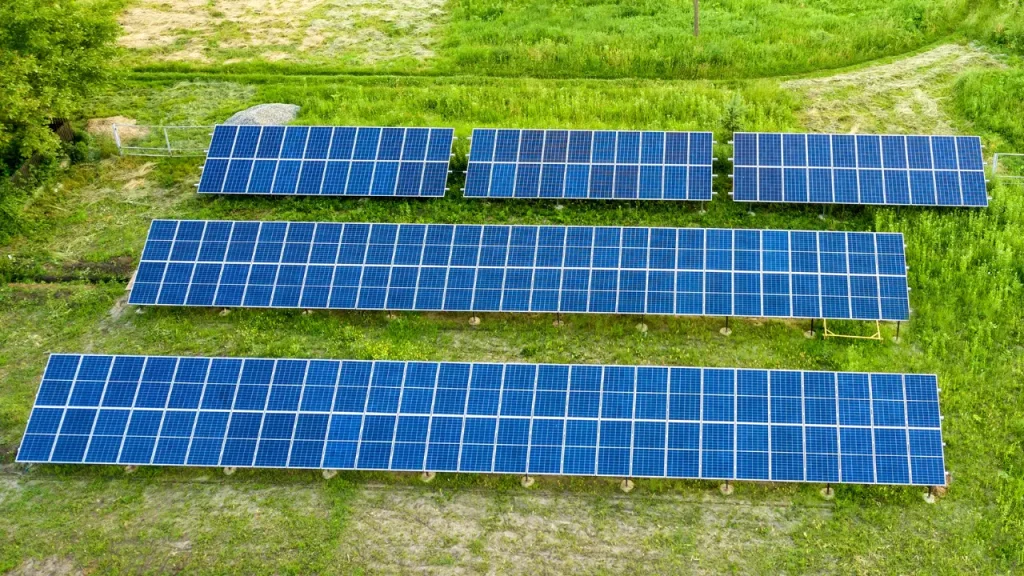
Solar PV is particularly well-suited to Irish farms due to their consistent daytime electricity demand and the availability of large roof areas on agricultural buildings. Many farm structures are ideally positioned for solar installations, often with minimal shading and strong exposure to daylight.
Operations such as milking, refrigeration, ventilation, water pumping, and feeding systems often run during daylight hours, allowing farms to use a high proportion of on-site-generated electricity. This reduces reliance on grid electricity and helps manage rising energy costs more effectively. Higher self-consumption also improves the solar system’s financial performance over time.
In addition, installing solar PV supports long-term farm sustainability by lowering carbon emissions and improving energy independence. With electricity prices remaining unpredictable, generating your own power provides greater cost stability while strengthening the resilience of farm operations across Ireland.
What Type of Solar Panels Are Used on Farms?
Most farms in Ireland install solar PV (photovoltaic) panels, which convert sunlight into electricity for everyday agricultural use. These systems are adaptable and can be designed around a farm’s buildings, land availability, and energy consumption.
1. Rooftop-Mounted Solar PV Systems
Rooftop-mounted solar PV systems are the most common choice for Irish farms. Panels are installed on barns, sheds, or other outbuildings, allowing farmers to generate electricity without using productive land.
Agricultural roofs often provide large, unobstructed surfaces, making them ideal for solar installations. This approach also helps protect roofing materials from weather exposure while keeping installation costs lower than ground-mounted alternatives.
2. Ground-Mounted Solar PV Systems
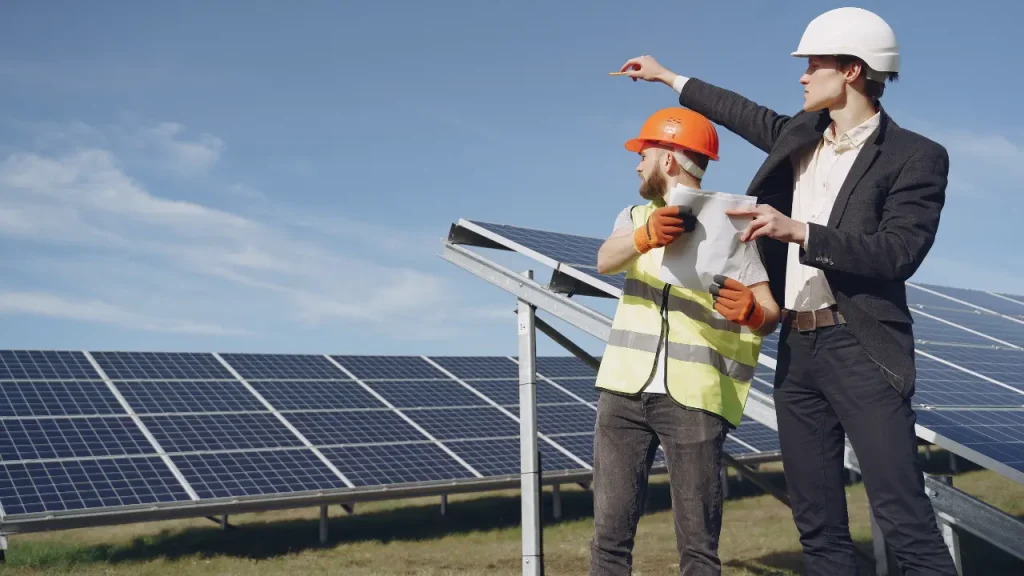
Ground-mounted solar PV systems are used where roof space is limited or when higher electricity output is required. These systems are typically installed in unused areas of the farm or along field edges.
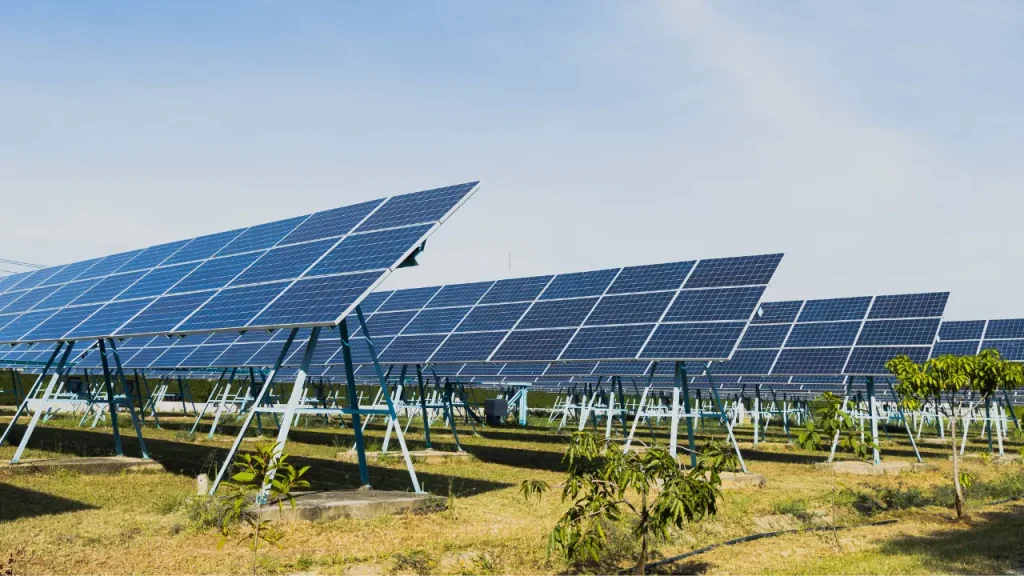
Ground-mounted panels offer flexibility in orientation and tilt, making it easier to optimise energy production. They are well-suited to larger or expanding farm operations with higher power demands.
Key Things Irish Farmers Should Consider Before Installing Solar PV
Installing solar PV on a farm involves more than selecting panels and arranging installation. Farmers need to consider practical, technical, and financial factors to ensure the system supports farm operations and delivers long-term value.
1. Energy Usage Patterns
Understanding how and when electricity is used on the farm is essential. Farms with strong daytime demand, such as dairy or poultry units, benefit most from solar PV by maximising on-site usage and reducing reliance on grid electricity.
Reviewing historical energy bills helps identify peak usage periods. This information ensures the system is designed to match real operational needs rather than estimated consumption. Accurate usage data also improves return on investment over the system’s lifespan.
2. Planning and Permissions
Many rooftop solar PV systems may not require planning permission, but this depends on system size, building type, and location. Farms near protected areas or using ground-mounted systems should always check requirements early to avoid delays.
Planning conditions can vary from one local authority to another. Early confirmation helps prevent redesign costs or compliance issues later in the process. It also ensures the installation meets all local development guidelines.
3. Grid Connection Requirements
Solar PV systems must comply with ESB Networks rules. Existing supply type, export limits, and application timelines can affect system size and approval, making early grid assessments necessary for smoother installation.
Some farms may need network upgrades. Understanding these requirements early helps align expectations around timelines and potential costs. This reduces the risk of unexpected technical obstacles during installation.
4. Grants and Financial Supports
Irish farmers can apply for support through the Solar Capital Investment Scheme, a solar grant programme designed specifically for farmers under TAMS 3. Funding can cover up to 60% of eligible costs, subject to scheme rules and a maximum ceiling per holding.
Grant approval is typically required before installation begins. Farmers should also allow time for application processing and documentation. Missing deadlines or failing to meet conditions can result in the loss of funding.
5. System Sizing and Design
Selecting the correct system size ensures electricity generation matches farm demand. Oversized systems may export excess power at lower rates, while properly designed systems improve efficiency and long-term savings potential.
System design should also consider future expansion. This allows farms to scale energy production as operations grow or change. Good design helps maximise performance across different seasons.
Conclusion
Installing solar PV on a farm requires careful consideration to ensure the system delivers consistent performance and long-term value. By understanding energy usage patterns, planning and grid requirements, available grants, and correct system design, Irish farmers can avoid common challenges and integrate solar power effectively into their operations. Taking the time to assess these factors early helps ensure solar PV supports cost control, energy stability, and sustainability on the farm for years to come.
For farmers looking to move forward with solar energy and benefit from expert guidance, PV Green provides trusted solar PV solutions customised to Irish farms. Contact PV Green today to discuss your project and take the next step towards efficient, farm-based solar power.
 Do I need planning permission for solar on a farm?