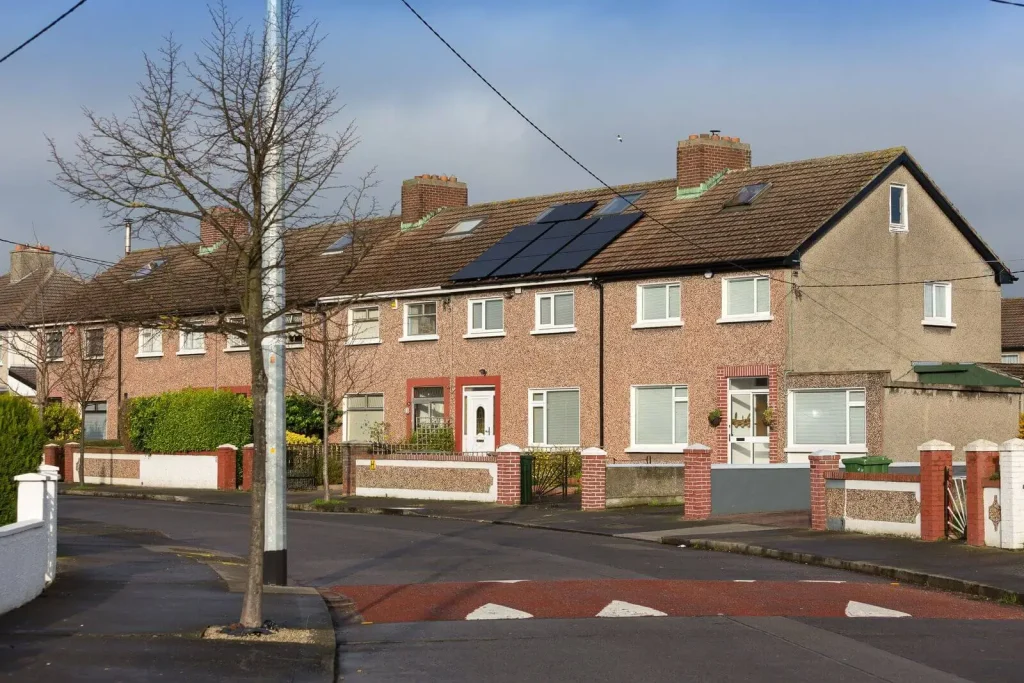

Many people in Ireland have noticed their electricity bills creeping up, even when their usage hasn’t changed much. Heating the house, running appliances, and the general shift toward electricity-dependent living can cause costs to jump from one month to the next without much warning.
It’s hard to plan when prices keep changing, and hoping they will go down doesn’t really help. Before purchasing, people usually compare their options, and the most common question asked is how much a 10 kW solar system costs in Ireland.
Solar energy becomes a simple way to get more control over energy spending for Irish homeowners. Producing even part of your own electricity can make a noticeable difference, especially during months when usage naturally rises. With the Irish energy market constantly shifting, having a renewable source of power can bring real confidence.
In this blog, we’ll explore the cost of a 10 kW system in Ireland, the type of setup different homes might need, what support may be available, and how to choose the right installer for a smooth, dependable installation.
Why Are Irish Homeowners Turning to Solar Power in Ireland?
Many families in Ireland are considering solar energy, as it fits well with the current energy situation. Electricity costs change frequently. People seek a method to add more predictability to their monthly expenses.
Solar panels contribute by generating some of the energy required by a household, lowering the quantity drawn from the grid. Homeowners also value that, after installation, the ongoing expenses are minimal compared to electricity.
With today’s systems having better performance and smoother installation than before, it is easy to understand why more homes are turning to solar.
How Much Is a 10 kW Solar System in Ireland?
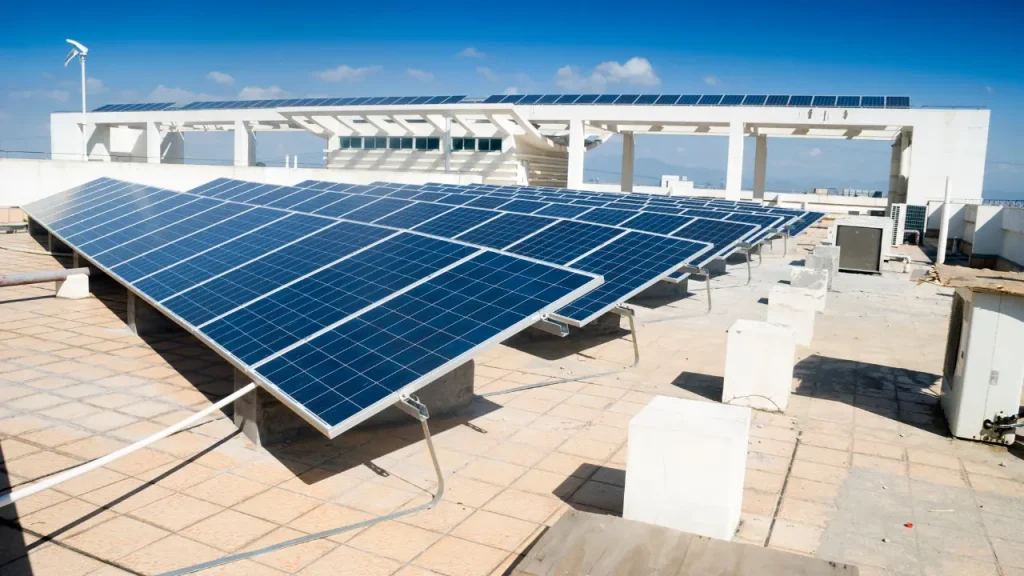
A 10 kW solar setup typically ranges between €10,000 and €20,000. The cost varies depending on factors such as the kind of panels, the inverter model and the complexity of the roof installation, all affecting the expense.
However, what most individuals want to understand is the return on this investment. Generally, a system of this capacity can generate 10,800 to 14,400 kWh per year. Some parts of the country get slightly better conditions than others, and in those places the output can climb higher, sometimes over 18,000 kWh.
When you look at the cost beside the amount of electricity it can generate, it becomes easier to judge whether a 10 kW setup fits your home and how you use energy day to day.
What Factors Influence the Cost of a 10 kW Solar System in Ireland?
There is not one single reason why the prices vary from home to home. A few small details usually make the difference, and most people only notice them once they start comparing quotes.
1. Type and Quality of Solar Panels
Different panels perform differently, and that affects the price. Some panels produce more energy in the same amount of space, and those tend to cost more. Others are perfectly fine but don’t have the same long-term output.
You’ll also find that some brands offer longer warranties, and that alone can push the price up. It really depends on whether you want something that lasts as long as possible or if you’re just trying to keep the cost manageable.
2. Inverter Selection and Technology
The inverter is one of those parts people don’t really think about, even though it’s doing most of the work behind the scenes. Some inverters are basic and cheaper, while others have extra features you might not need right away but could be glad to have later, especially if you ever plan to add a battery.
The more advanced ones tend to run smoother and last longer, but of course, they cost more. A lot of the variation in quotes often comes from this part rather than the panels themselves.
3. Roof Structure and Installation Complexity
Roofs aren’t all the same, and installers know this too well. A straightforward roof makes the job quick, which keeps the cost down. But if the roof is awkward, steep, shaded, or just a bit worn, the installation can take longer.
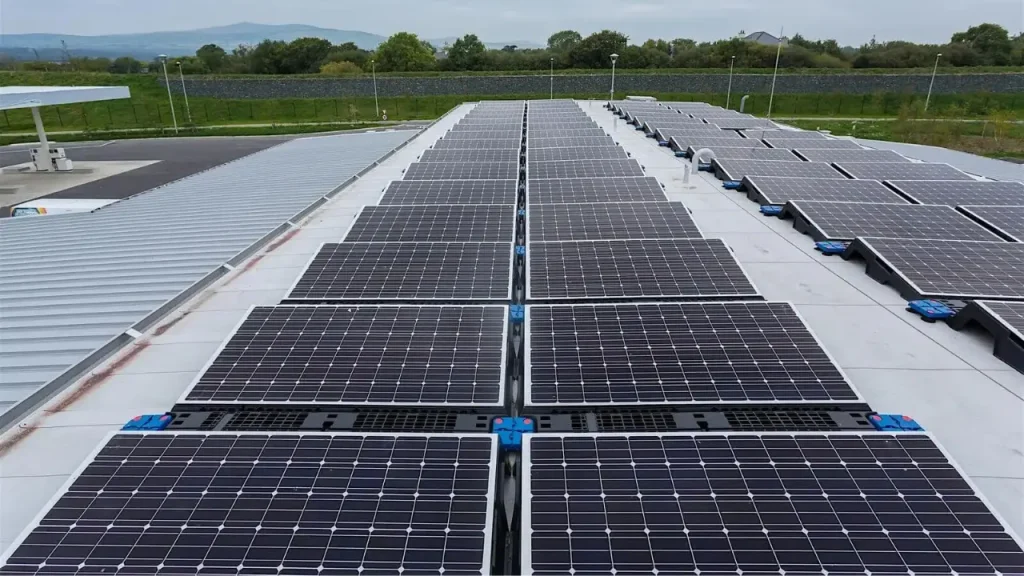
Sometimes they even need to sort small repairs before anything goes up. These things don’t sound huge, but they genuinely add time and therefore cost, and that’s why two houses can get totally different prices.
4. Additional Components or Optional Extras
People often add extras without really planning. It’s a battery, a diverter, or maybe they want the monitoring app that helps measure real-time usage. None of these are absolutely necessary, but they can make the whole system more useful.
Naturally, each add-on increases the price a bit. Some families like having everything set up from the start while others keep it basic and upgrade later. Either way, these extras influence the final number.
5. Location and Sunlight Conditions
Your residential area matters too. Some homes, get plenty of sunlight, while others lose a bit because of trees, chimneys or nearby buildings. If your roof doesn’t get as much sun, you might need slightly better panels or a different layout to make the most of your space.
Installers usually adjust the design based on your location, and sometimes that means the price changes a little too. Even small differences in shade can shift the cost slightly.
Conclusion
Looking back over everything, a 10 kW solar system really just comes down to understanding what affects the price and whether it suits your home. Costs can change because of the panels, the inverter, the roof and installation complexity. Once you see how these bits fit together, the whole picture feels a lot less confusing, and you can figure out if a setup like this can suit your needs.
PV Green is here to help if you’re thinking about installing solar or just want someone to explain things clearly. Contact PV Green for advice, a clear quote and support throughout the process.
 Is a 10 kW solar system too big for a normal house in Ireland?