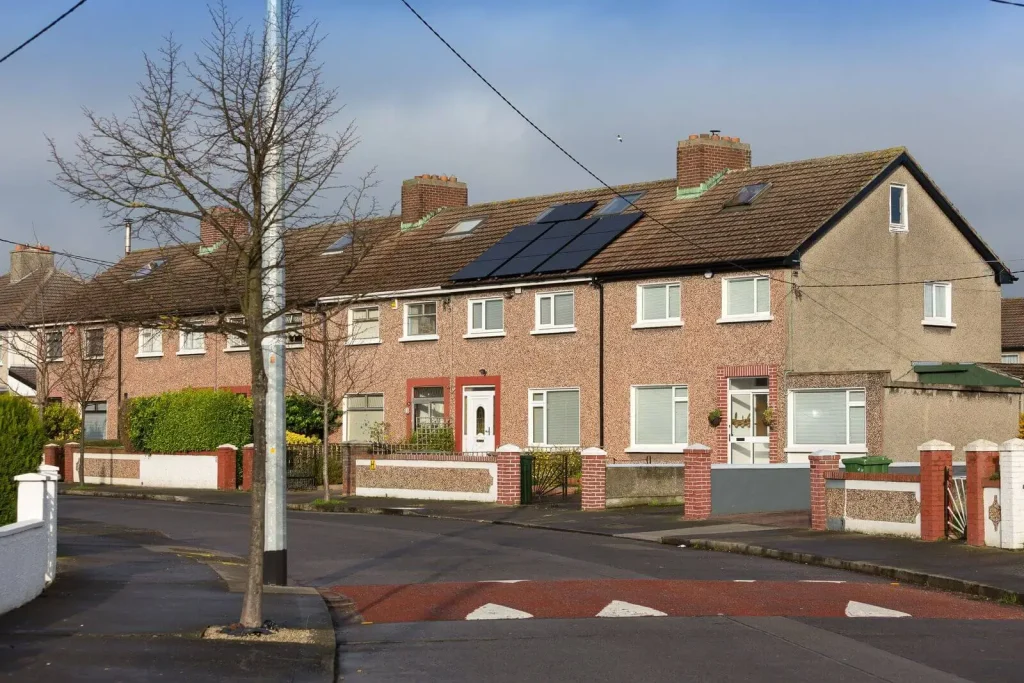

Assessing whether your roof is suitable for solar panels is an important step before you begin comparing systems or speaking with installers. The amount of sunlight your roof receives, its direction, structure, and available space all influence how well solar panels will perform.
Taking a moment to evaluate these points can help you avoid surprises and give you a clear idea of what to expect. Many homes in Ireland already meet the key requirements, and with the right support, determining what works best for your property becomes an easy process.
This blog will help you learn what makes a roof suitable for solar and what to do when a roof is not appropriate for solar.
Let’s start!
What Makes a Roof Suitable for Solar Panels?
Choosing solar is a big decision, and before all that, it is important to know early if your roof can support a system. Understanding how to tell if your roof is suitable for solar panels gives you a clear idea of what to expect before speaking with an installer.
1. Sunlight Levels
A roof that gets steady sunlight for most of the day, especially from late morning to afternoon, is usually a strong match for solar. If your home isn’t overshadowed by tall trees or nearby buildings, the panels will have more time to work at their full potential.
Even on cloudy days, consistent daylight still supports good energy output. What matters most is avoiding long patches of shade that block the light. Taking note of how the sun moves across your roof can help you understand its true exposure.
2. Roof Direction
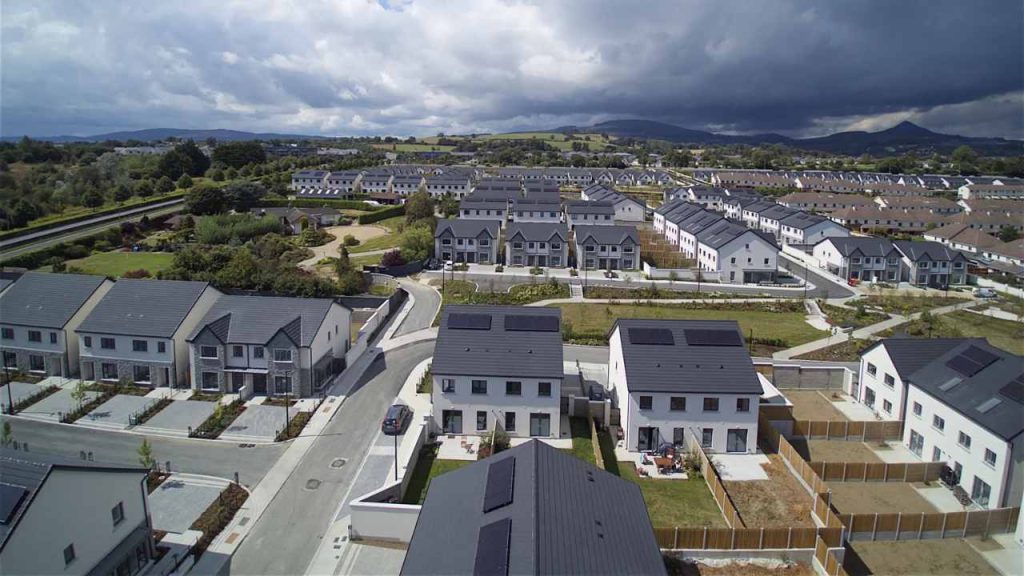
The direction your roof faces has a big impact on how well solar panels perform. South-facing roofs tend to receive the most steady sunlight, but east- and west-facing roofs often give excellent results as well. Modern panel technology is built to work efficiently from different angles, so perfect alignment isn’t always required.
Homes with flat roofs can still benefit by using angled brackets to position the panels correctly. As long as your roof sees regular light throughout the day, it can support a reliable solar setup.
3. Roof Strength
A strong, well-maintained roof provides a safe base for panels that stay in place for decades. If there are leaks, loose tiles, or signs of water damage, it’s best to fix them early to avoid future issues. A secure roof allows the mounting equipment to hold the panels firmly and helps prevent complications later on.
If your roof is older or due for upgrades, handling that work before installing solar will save time and cost. Most installers will highlight any concerns during their inspection.
4. Available Space
Solar panels need a clear, open section of roof, usually around 15 to 30 square metres, to work efficiently. A clean layout makes it easier for the panels to sit together in one neat group and deliver strong performance.
Features like chimneys, vents, or skylights can limit how panels are arranged, but many homes still have enough space for a well-sized system. The more open and uniform the surface, the better the final setup will look and perform. Clear roof sections help the system generate steady power across the year.
5. Planning Restrictions
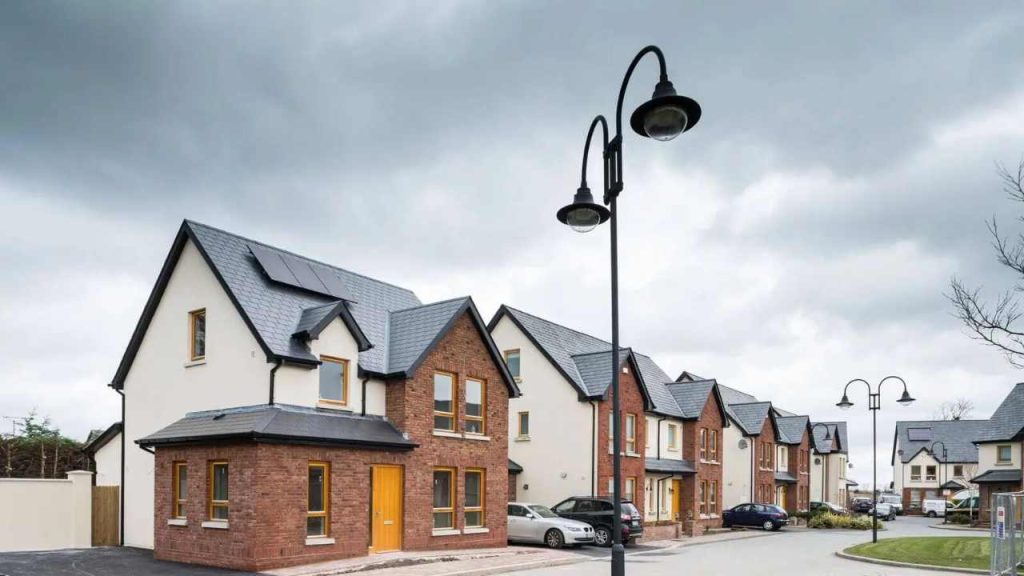
Some homes, such as listed buildings or properties in protected areas, may need approval before panels can be installed. Most households in Ireland no longer require planning permission for solar, but a few exceptions remain.
Checking early can help avoid delays and keep the installation stress-free. Many installers are familiar with these rules and can guide you if your home has any limitations. Understanding what applies to your property helps you move forward with confidence.
What Are The Alternatives When Your Roof Isn’t Appropriate?
Not every home has a roof that can safely or effectively support a solar panel system, but that doesn’t mean solar power is off the table. Ground-mounted solar panels offer a practical and reliable alternative for homeowners who still want to benefit from renewable energy.
These systems are installed at ground level using strong frames that hold the panels at the best angle for sunlight, giving you far more flexibility in placement. They can be positioned in open areas of your garden or land to capture strong, consistent light throughout the day without worrying about roof angle, shade, or structural issues.
Ground-mounted setups are also easier to access for cleaning and maintenance, which helps them perform well over the long term.
Conclusion
A suitable roof can make all the difference when it comes to getting the best results from solar panels. By checking sunlight levels, roof direction, structural strength, available space, and any planning restrictions, you’ll have a clear understanding of whether your home is ready for a solar installation. And even if your roof isn’t ideal, alternatives like ground-mounted systems can still offer excellent performance.
If you’re considering making the switch to solar, now is the perfect time to take the next step. Get in touch with PV Green today, and let their team guide you through your options and provide expert support from start to finish.
 How do I check if my roof gets enough sunlight to install solar panels?